
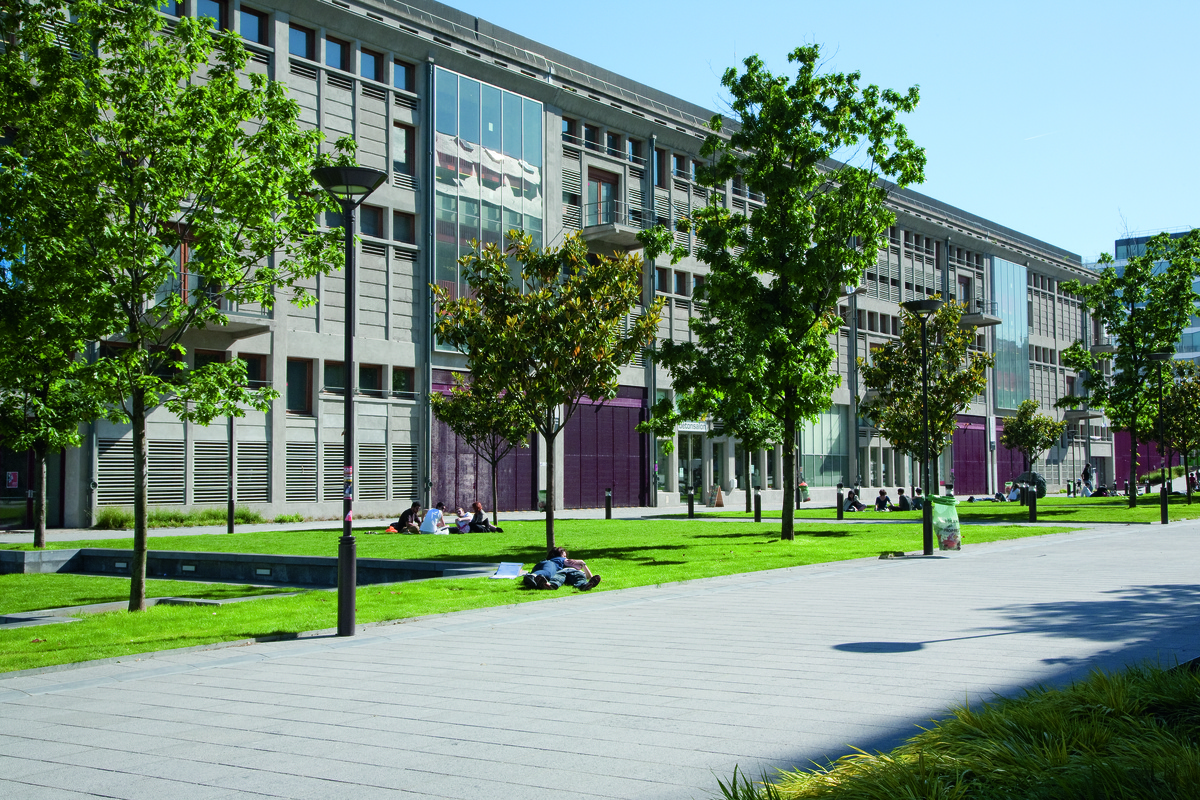
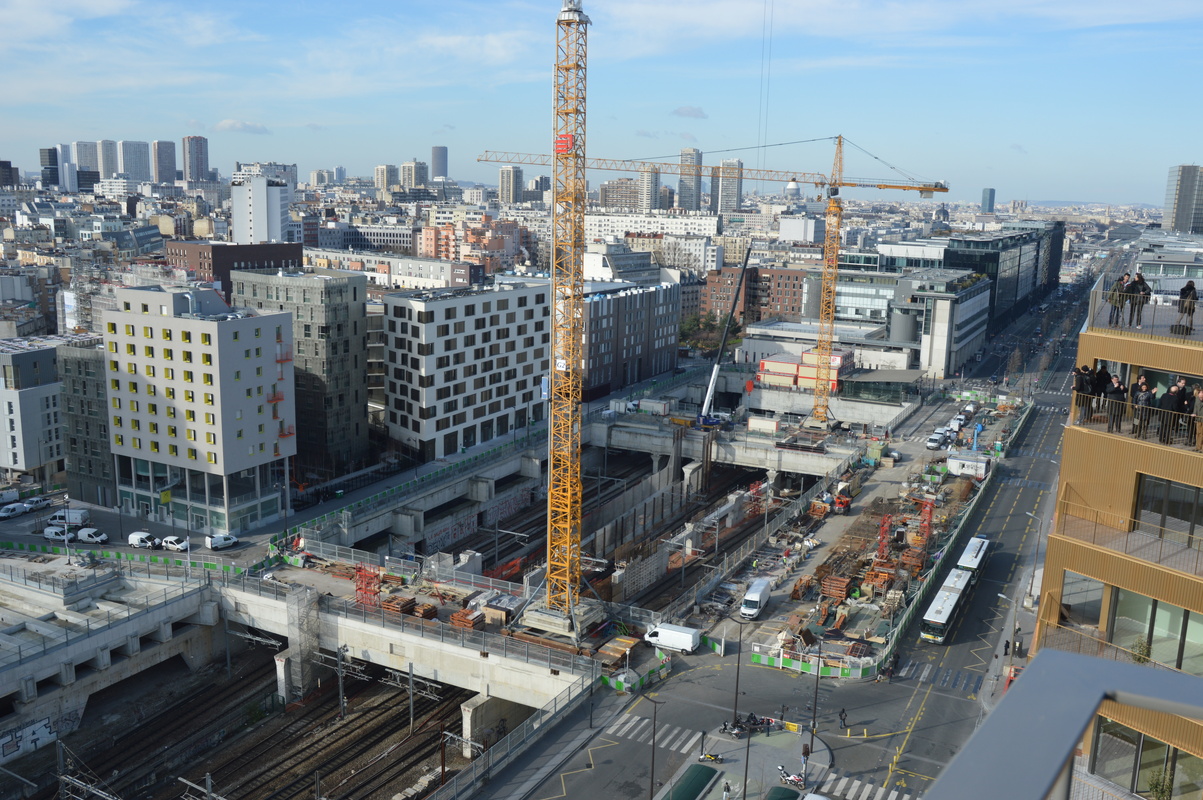
Die Operation Paris Rive Gauche ist ein umfangreiches Urbanes Projekt, das 130 Hektar ehemaliger Industrie- und Eisenbahnflächen in ein modernes Viertel verwandelt. Diese ZAC, erstreckt sich vom Bahnhof Austerlitz bis zum Boulevard Périphérique. Das Projekt ermöglichte die Schaffung der Bibliothèque Nationale de France, die Ansiedlung der Université Paris Diderot und die Überdeckung der Eisenbahngleise, um dieses Gebiet wieder mit dem Rest der Stadt zu verbinden.
Paris Rive Gauche kombiniert Wohnungen (darunter ein bedeutender Anteil an Sozialwohnungen), Büros, Geschäfte und öffentliche Einrichtungen in einer Logik der städtischen Mischnutzung. Dieses emblematische Projekt, das noch immer im Umbau ist, versucht eine ehemals abgeschnittene Zone in ein dynamisches Viertel zu verwandeln, wo Gebäude in Holzbauweise wie die Universität von Chicago von Studio Gang und die Wohnungen von LAN, Moreau Kusunoki, Parc Architectes und AAVP mit der spektakulären Sanierung wie der Station F von Wilmotte und den neuen Türmen Duo von Jean Nouvel koexistieren.
Projekte (Auszug)
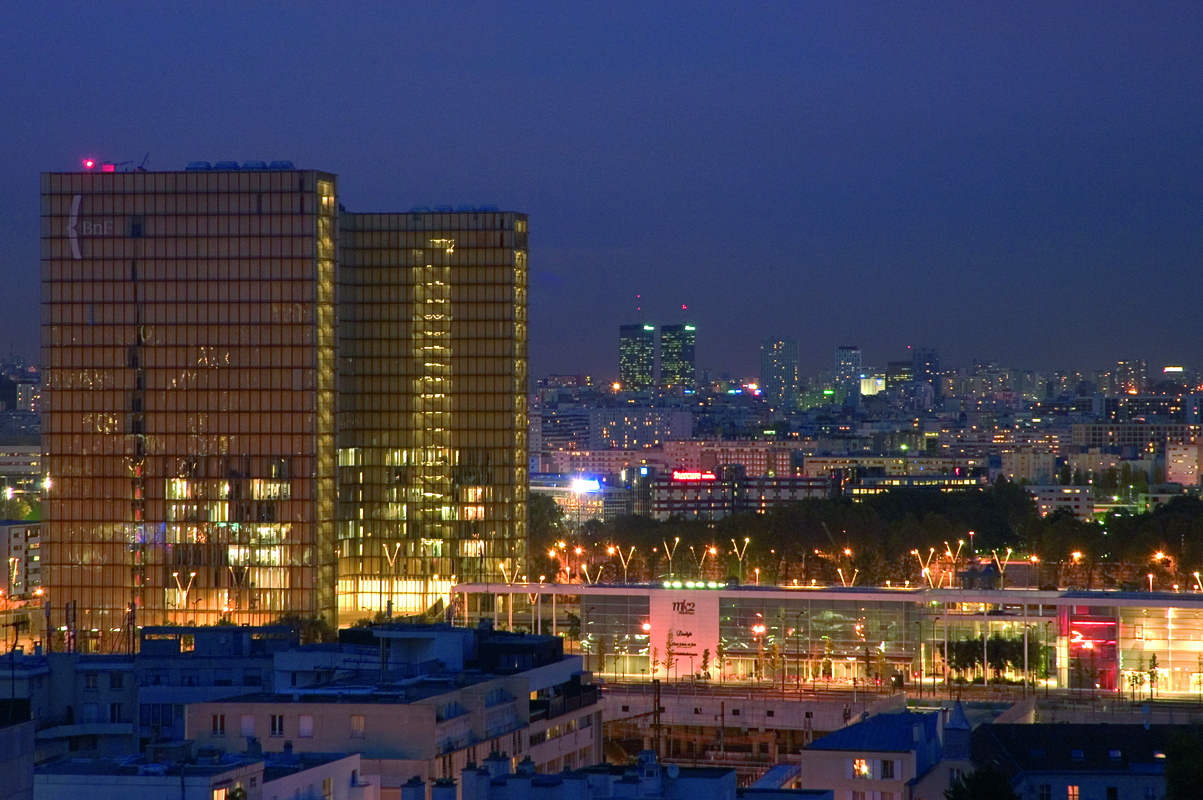
Nationalbibliothek
Sie ist das "Vorzeigeprojekt" des neuen Viertels "Paris Rive Gauche" und ein "Großprojekt" aus der Mitterrand-Ära.
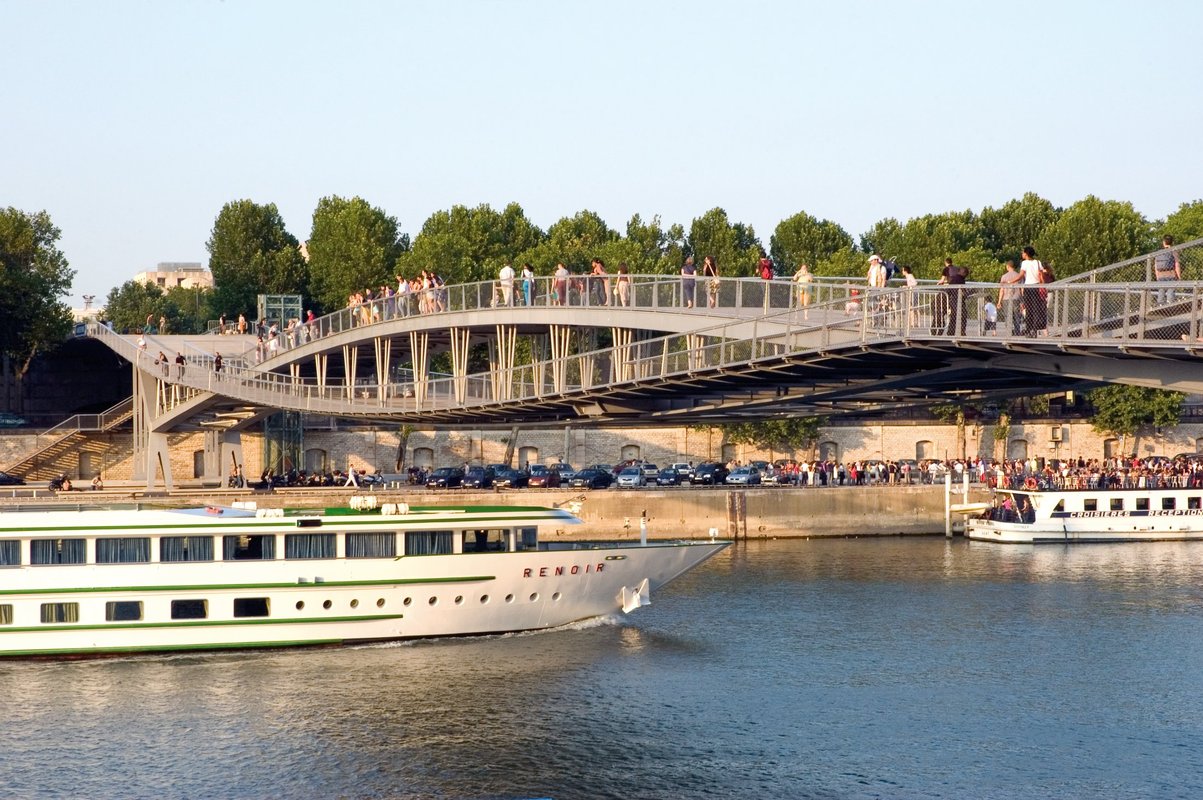
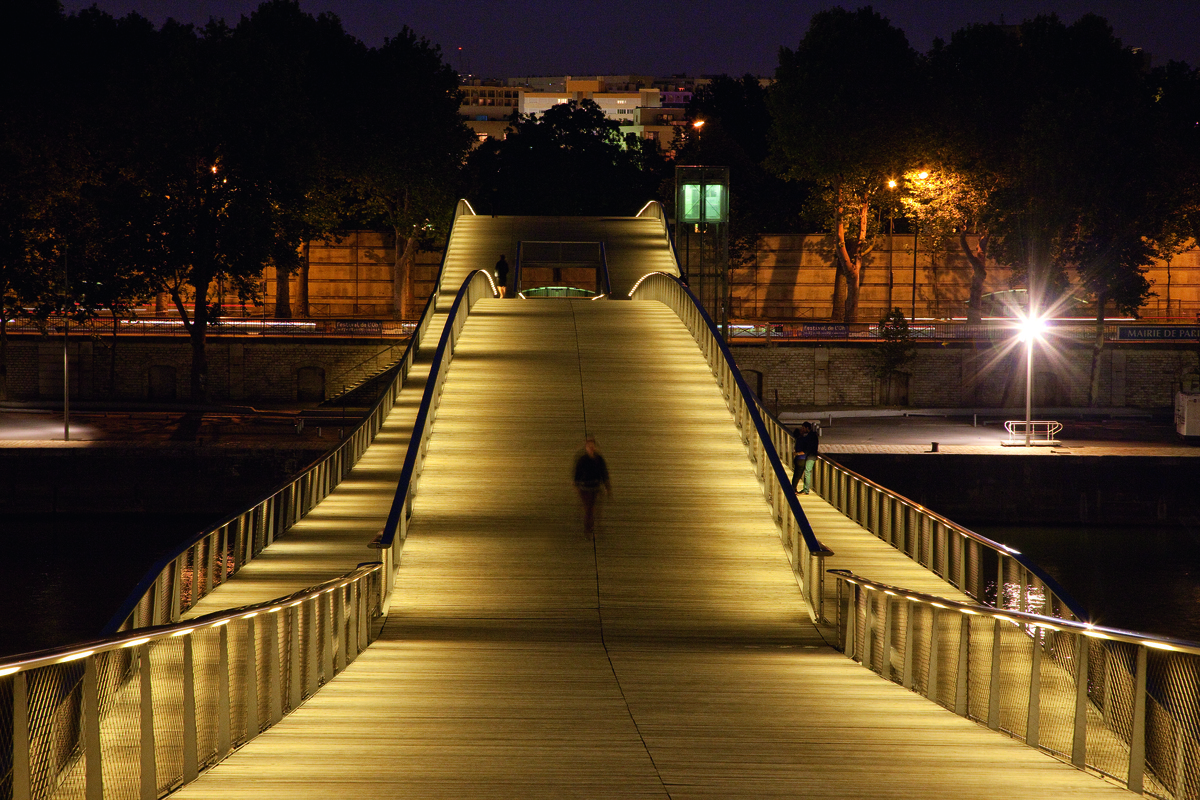
Simone-de-Beauvoir-Steg von Dietmar Feichtinger
Eine Fußgängerbrücke mit einer Spannweite von 190 m, bestehend aus zwei synergetischen Elementen, einem sehr schlanken Bogen und einer Kettenaufhängung, die den Fluss, seine Ufer und die Hochgeschwindigkeitsstrecken in einem Zug ohne Zwischenpfeiler überquert.
StationF, Freysinnet und Wilmotte & Associés
Ein Start-up-Campus in einer renovierten Betonhalle aus dem Jahr 1927, renoviert von Wilmotte & Associés.
Neue Viertel und neue Stadtplanung
Paris Rive Gauche ist in mehrere Viertel unterteilt, die verschiedenen Stadtplanern anvertraut wurden, darunter Christian de Portzamparc und Atelier Lion.
Neuer Universitätscampus
Man entdeckt den neuen Universitätscampus sowie die Chicago University von Studio Gang: Das John W. Boyer Center, ein akademisches Gebäude aus das Holz, Stahl und Kalkstein ist ein innovatives Projekt, das als „vertikaler Campus“ konzipiert wurde.
Home von Hammonic und Masson
"Home" ist der erste Wohnturm, der seit den 1970er Jahren in Paris gebaut wurde. Er trägt daher eine große Verantwortung als Vorreiter des neuen Ansatzes für vertikales Wohnen im urbanen Umfeld.
Turm der Biodiversität von Édouard François
Dieser Turm ist mit Pflanzen aus wilden Naturgebieten bedeckt und dient als Werkzeug für die Aussaat: Er ermöglicht dem Wind, reine Samen in die städtische Umgebung zu verstreuen.
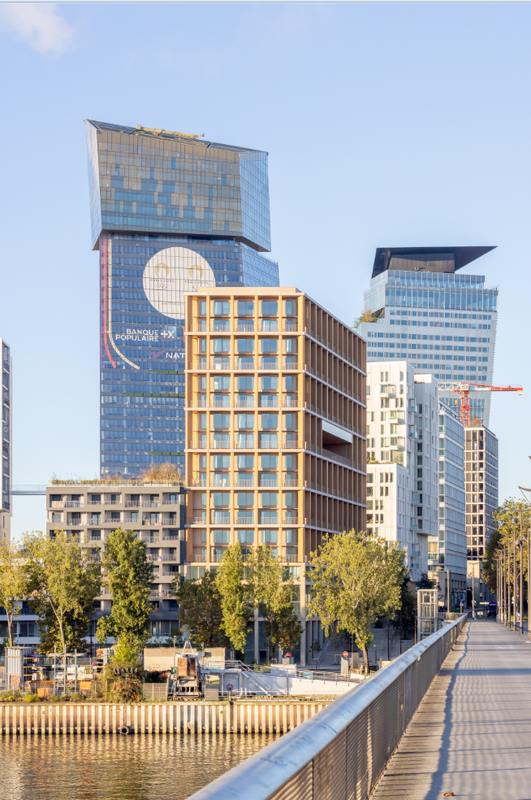
Tour Duo von Ateliers Jean Nouvel
Bestehend aus zwei Türmen mit 180 und 122 Metern Höhe, also 39 und 27 Stockwerken, umfasst dieses Projekt ein Hotel, Büros, ein Restaurant und Geschäfte. Der höhere Turm ist das drittgrößte Gebäude der Hauptstadt.
Bruneseau
Rund um die Tours Duo soll das Viertel Bruneseau Paris und Ivry mit gemischt genutzten Gebäuden mit hoher Umweltleistung neu verbinden, von denen mehrere in Holzbauweise errichtet werden: Prokjekte von LAN, Moreau Kusunoki etc....
 For Groups up to 20
 Half Day or Full Day
 Buildings
 Length of the visit
 Price
Price